How Chinese Restaurants Are Evolving in 2026: Takeout, Regional Dishes, and Modern Menu Trends
Chinese restaurants in 2026 are not reinventing gravity. They are responding to the same thing every restaurant eventually meets: customers who want speed, value, and fewer mysteries on the menu. The difference now is that those pressures are louder, the margins are thinner, and diners are less patient with clutter.
For Lexington diners, that means the best neighborhood spots tend to look more organized, more flexible, and more specific. Menus are cleaner. Takeout is built into the workflow instead of treated like an inconvenience. Regional dishes show up more often, usually because operators know some customers want more than the safest possible version of orange-colored comfort food.

What diners are looking for now: convenience, value, and clearer choices
The modern Chinese menu has to do three things well: help people decide quickly, keep the value obvious, and avoid making the customer decode three pages of the same protein with different sauce names. That is not sophistication. That is clutter with a language barrier.
Restaurant Business Online has noted that 2026 menu planning is being shaped by uncertainty and changing consumer behavior, with operators adjusting to what customers will actually buy rather than what looks clever in a test kitchen. That trend is already visible in broader menu planning.
For restaurants, the practical response is simple:
- group similar dishes clearly,
- separate lunch, dinner, and takeout value items,
- name dishes plainly instead of hiding them behind marketing theater,
- make the most common orders easy to find.
If the menu feels like a scavenger hunt, people will order somewhere else. Revolutionary, unfortunately.
The rise of regional dishes and more specific flavor profiles
One of the bigger shifts in 2026 is that diners are more willing to order Chinese food that signals a region, a style, or a sharper flavor profile. Sichuan, Hunan, Cantonese, Fujian, and Northern-style dishes are not fringe details anymore. They are part of what makes a menu feel current.
This does not mean every local restaurant needs to turn into a regional encyclopaedia. It means diners are increasingly interested in food that says what it is. Spicy should mean spicy. Garlic should mean garlic. A dish with fermented, smoky, or numbing notes should not arrive wearing the same soft sweet sauce as everything else.
For a useful primer on the breadth of regional Chinese cooking, Chinese regional cuisine is a decent starting point before anyone starts pretending “Chinese food” is one single thing.
Restaurants that offer a few regional specialties can stand out without alienating customers who still want familiar standards. That is the balance: keep the staples, but add dishes that give regulars a reason to look again.
How takeout and delivery continue to shape menu design
Takeout is not a side business anymore. For many restaurants it is the business, with tables attached. That changes everything from packaging to portioning to which dishes stay crisp after a 15-minute drive and which ones collapse into regret.
Modern Chinese restaurant menus are increasingly shaped by how food travels. Good operators choose dishes that hold heat well, separate sauces when needed, and package orders so that fried items do not become steamed items by accident. Tiny detail, major difference.
For Lexington-area diners, this matters because convenience is part of the experience. A restaurant that handles takeout well usually handles the basics well: speed, accuracy, call-ahead ordering, and predictable pickup flow. If you want to see how a restaurant thinks about that part of service, start with the take-out menu and the main menu. The structure tells you a lot before the food does.
Restaurants also know that takeout customers compare them on a simple scale: Does it arrive hot? Is it correct? Is it still worth the price when it lands on the counter at home? That is the whole exam.
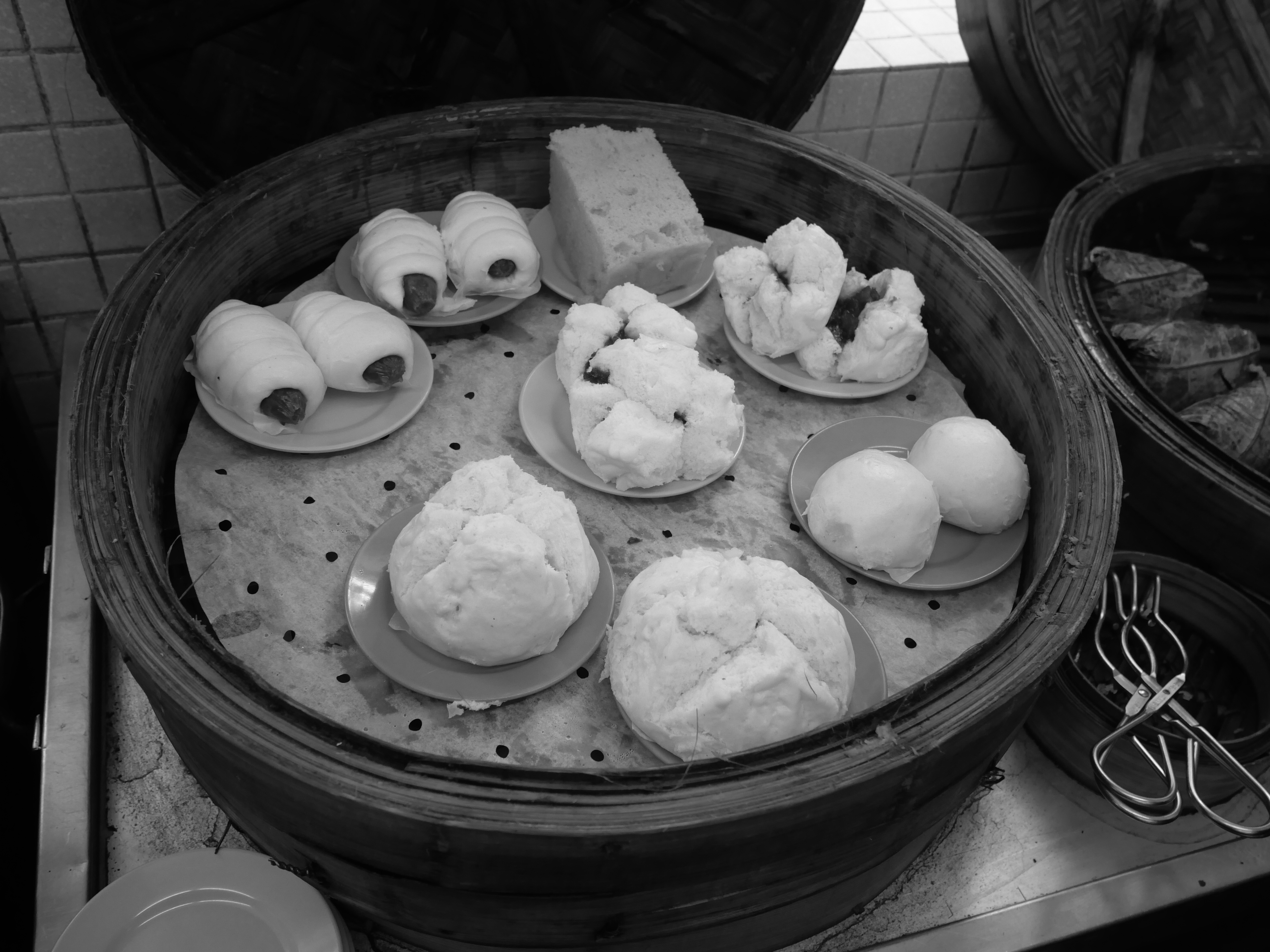
What modern diners expect from a neighborhood Chinese restaurant
The bar is not high. It is just non-negotiable now.
Customers expect decent speed, clear communication, visible value, and a menu that does not waste their time. They also expect a restaurant to know what kind of experience it is trying to offer. A good neighborhood Chinese restaurant does not need to be fancy. It needs to be consistent.
That usually means:
- clear categories and labeling,
- enough variety for repeat visits,
- some flexibility for families and groups,
- takeout that does not feel like an afterthought,
- staff who can answer basic questions without making it a courtroom drama.
When restaurants add features like lunch deals or combo pricing, they are not being nostalgic. They are meeting the customer where the customer already is. If a diner wants a quick weekday option, the lunch specials page should make that obvious.
For operations guidance on how changing consumer behavior affects restaurants more broadly, Restaurant Business Online’s coverage of the industry’s “complex” consumer environment is a useful reference point. Restaurants are planning around tighter budgets and less predictable demand. That pressure is not abstract. It shows up in menu layout, pricing, and service pace.
A Lexington-area angle: what this means for local dining choices
Lexington diners are not looking for a lecture. They want a good dinner, a fast pickup, and the ability to find the right order without playing menu roulette. The local angle is straightforward: restaurants that organize around convenience and clarity will usually win repeat business.
That also means the best choices are often the ones that make their identity clear. If a restaurant highlights broader regional dishes, that can be a sign it is trying to do more than the default takeout script. If it keeps the classics but sharpens the menu structure, that is usually a sign of operational discipline rather than marketing fog.
For nearby readers who want a simple next step, the about page and contact page are the obvious places to start if you want hours, questions answered, or basic service details before ordering. The point is not romance. It is getting dinner right.
Lexington also has a practical public-service habit of pointing residents toward local food resources and community support, which is a reminder that neighborhood dining is part of a wider local system, not just a transactional menu page. See the town’s Food Resources page for a broader view of local food access and support.
Timeless takeaways for choosing where to order or dine
If you are deciding where to order from, use a boring test. Boring works.
- Check the menu structure. If it is clear, the kitchen probably values process.
- Look for specific dishes. Regional variety usually means the menu is being thought through, not padded.
- Test takeout once. A restaurant’s real standards show up in the box, not the brochure.
- Notice value, not just price. Cheap food that wastes your time is expensive in the only way that matters.
- Use the site’s own ordering pages. Start with the homepage, then check menu options and takeout details.
The trend line in 2026 is not complicated. Chinese restaurants are adapting to customers who want better convenience, more specific dishes, and less confusion. That is not a crisis. It is just the menu catching up with reality.