A banquet menu should make the table feel generous, organized, and calm. The best ones do that without wasting food or forcing every guest into the same corner of the menu.
If you are comparing group menus, three questions matter first: will there be enough variety, can the restaurant handle dietary needs, and will the service format keep the meal comfortable for everyone? A clear banquet plan reduces guesswork, especially when the group includes different ages, appetites, or restrictions. For food-safety basics, the FDA’s buffet guidance and the CDC’s restaurant safety research are useful anchors for the practical questions to ask before you book.
This checklist will help you choose a Chinese banquet menu that feels balanced, avoids excess, and works for family gatherings, business dinners, and celebrations. For a broader look at the restaurant’s current offerings, start with the menu, and use the contact page if you need to ask about group arrangements before ordering. You can also check the about page for the restaurant background and the directions page before planning the visit.
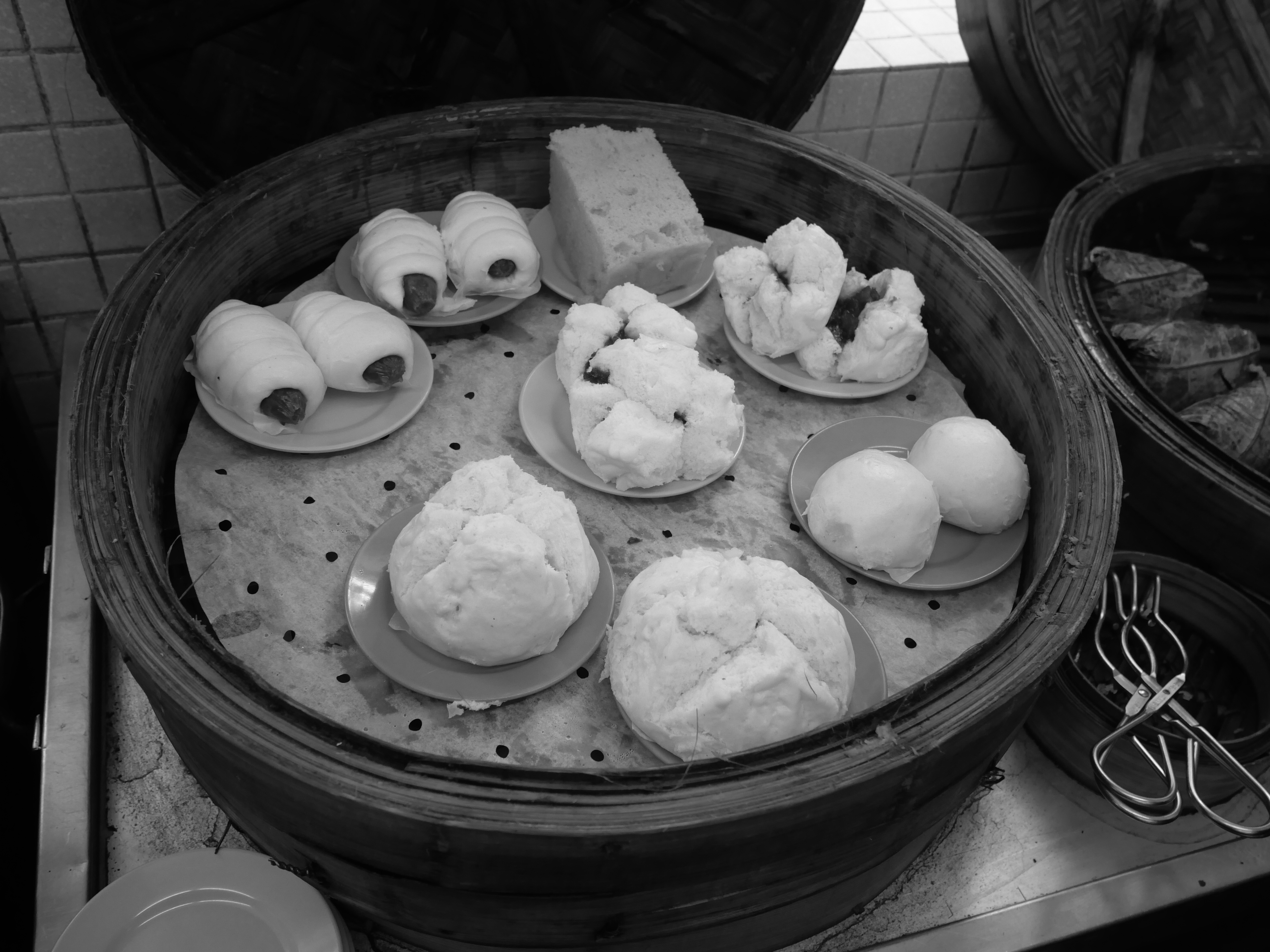
Why banquet menus still work for group dining
Banquet-style ordering remains practical because it solves a real problem: groups rarely agree on a single entree. A banquet menu gives the host a structure. It can spread risk across several dishes, balance rich items with lighter plates, and make the meal feel planned instead of improvised.
That structure matters for the diner too. Sharing is part of the appeal. A good menu turns the meal into a table experience rather than a series of isolated orders. It also tends to be more cost-aware than letting everyone order separately, especially when the group is large.
- Flexibility: one menu can cover more tastes than a single-platter order.
- Social value: shared dishes encourage pacing and conversation.
- Budget control: the host can set the shape of the meal before anyone sits down.
For a quick reference on safe buffet habits and self-service food handling, the FDA’s buffet guidance is the cleanest public benchmark: Serving Up Safe Buffets.
The 5-part balance test
When I review a banquet menu, I look for five parts. If the menu covers all five, it is usually in the safe zone. If it misses two or more, the menu may feel repetitive or too heavy.
| Category | What to look for | Why it matters |
|---|---|---|
| Protein | Chicken, beef, pork, tofu, or other main proteins | Gives the table a clear center of gravity |
| Vegetables | Seasonal greens, mixed vegetables, or stir-fried vegetables | Offsets richer dishes and adds color |
| Starch | Rice, noodles, buns, or another shared staple | Helps the meal feel complete |
| Seafood | Shrimp, fish, or another seafood option | Adds variety and keeps the menu from feeling one-note |
| Vegetarian-friendly dish | Tofu, vegetable stir-fry, or a meat-free plate | Makes the menu usable for mixed groups |
1. Protein options
Choose at least two protein directions if the group is moderate or large. Chicken and tofu can cover gentler palates, while beef or pork adds a richer main dish. The point is not to pile on meat; it is to give the table a dependable center without repeating the same texture three times.
2. Vegetable variety
Vegetables should not be an afterthought. A good banquet menu includes at least one green dish and one colorful dish. That keeps the table from drifting too heavily toward fried or sauced items.
3. Starch selections
Rice is the default, but noodles or buns can work as the main starch if the rest of the menu supports it. The safest approach is to make sure at least one starch is present and that it matches the rest of the spread rather than competing with it.
4. Seafood for variety
Seafood gives a banquet menu some lift. It adds a different flavor and texture, and it often signals that the menu was designed with sharing in mind. If anyone in the group has a seafood allergy, this is one of the first items to flag before booking.
5. One vegetarian-friendly dish
Do not assume a vegetarian guest can manage with side dishes alone. Ask for one clearly meat-free item with enough substance to stand on its own. That keeps the group from having to improvise at the table.
Planning for mixed tastes without over-ordering
The common failure mode is simple: the table orders too much rich food and not enough contrast. A banquet should feel generous, but generosity does not require redundancy. Order for the group you actually have, not for the group you imagine after dessert.
A practical rule is to think in categories first, then in quantity. If the group is smaller, one dish in each major category may be enough. If the group is larger, you can add one extra protein or vegetable rather than doubling every fried item on the list.
- List known restrictions first: vegetarian, vegan, gluten concerns, shellfish allergy, and spice tolerance.
- Choose the menu backbone: one protein, one vegetable, one starch, one seafood item, and one fallback dish.
- Ask the restaurant which dishes travel or hold best if the meal is takeout or delayed service.
- Leave one slot open for a restaurant recommendation rather than locking every choice in advance.
If you want broader eating-out safety context, FoodSafety.gov keeps the guidance plain and practical: Food Safety and Eating Out.
Questions to ask before booking
These are the questions that save a host from awkward surprises later. Keep them short and direct.
- How are the portions usually sized for a group?
- Can any dish be adjusted for vegetarian guests or allergies?
- Which items are mild, and which ones run spicy?
- Are sauces served on the side or already mixed in?
- Does the restaurant recommend a specific ordering pattern for our group size?
- Will the food be served family-style, buffet-style, or as separate plates?
Those questions do two things. They tell you whether the menu is flexible, and they reveal whether the restaurant understands group dining as a service problem, not just a sales problem.
Buffet and banquet safety basics
Food safety does not need dramatic language. It needs discipline. At a banquet or buffet, the basic rule is still the same: hot foods should stay hot, and cold foods should stay cold. That sounds simple because it is simple. The challenge is execution.
The FDA’s Food Code remains the regulatory model used by many jurisdictions, and it supports the same baseline logic found in consumer guidance from the CDC and FoodSafety.gov. If a restaurant uses self-service labels, clear signs, or menu cards, that helps guests make choices without guessing. The FDA also notes that calorie disclosure may apply in certain covered establishments or self-service settings, so clear labeling is part of good operations, not an extra.
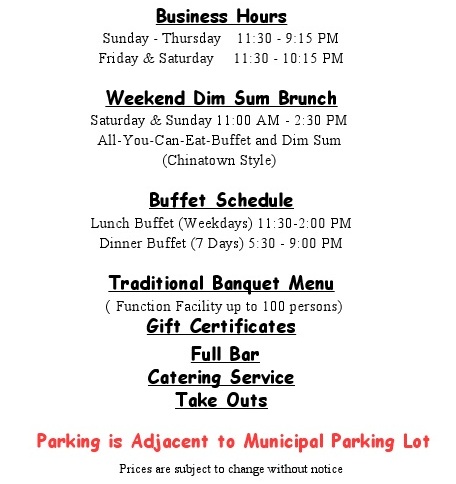
Before a buffet-style meal, check for these basics:
- Hot dishes are held hot, not merely warm.
- Cold dishes are displayed cold and refreshed as needed.
- Serving utensils are separate for each item.
- Labels are readable and specific enough to identify the dish.
- The staff can answer questions about ingredients and handling.
For a direct reference on buffet holding and portion control, use the FDA’s buffet page: Serving Up Safe Buffets. For broader restaurant safety practices, the CDC’s research hub is a good companion resource: Improving Restaurant Food Safety Practices.
How to spot a menu that is too repetitive or too fried
Some banquet menus look full but behave like a short list with a long font. If the same sauce, same texture, or same cooking method shows up again and again, the table will feel heavy before it feels complete.
Watch for these warning signs:
- Three or more fried dishes with little contrast.
- Multiple dishes built around the same sweet-salty sauce profile.
- No clear vegetable anchor.
- No plain starch to balance richer items.
- No vegetarian-friendly option that feels intentional.
A balanced banquet menu usually rotates across steam, stir-fry, braise, roast, and quick-seared dishes. If every item comes from the fryer, the menu is doing one job too many.
A simple ordering template for 6, 8, or 10 guests
Use this as a starting point, then adjust for appetite and event style. It is easier to edit a plan than to fix an overloaded table.
| Group size | Suggested structure |
|---|---|
| 6 guests | 2 proteins, 1 vegetable, 1 starch, 1 seafood or specialty dish, 1 vegetarian-friendly dish |
| 8 guests | 2 proteins, 2 vegetables, 1 starch, 1 seafood dish, 1 vegetarian-friendly dish, 1 shared starter or soup |
| 10 guests | 3 proteins, 2 vegetables, 1 starch, 1 seafood dish, 1 vegetarian-friendly dish, 1 starter, and 1 lighter finishing dish |
This template is deliberately conservative. A banquet should leave people satisfied, not trapped under leftovers. If the group is mixed, favor variety over sheer quantity.
When to call ahead for special requests
Call ahead whenever the meal needs more than a standard order. That includes allergies, vegetarian or vegan needs, takeout packaging concerns, and any request that changes how the kitchen prepares or packs the food.
Special requests are easier to handle before the rush. They are also easier to confirm in writing or by direct conversation. If the host is responsible for the entire table, this is the point where one short call can prevent a long apology later.
- State the number of guests clearly.
- Identify allergies before the order is finalized.
- Ask whether substitutions are possible.
- Confirm whether the meal will be plated, family-style, or packed for takeout.
- Ask how far ahead the restaurant wants large-group orders placed.
Final checklist before you place the order
- Does the menu cover protein, vegetables, starch, seafood, and a vegetarian option?
- Does the menu avoid overloading the table with fried dishes?
- Did you ask about portion sizes and substitutions?
- Did you confirm spice levels and ingredient concerns?
- Did you check whether the service style fits the event?
For the latest public menu and contact details, use the menu and contact pages. If you want to find the restaurant in person, the directions page is the right place to start.
Key takeaways
- Choose banquet menus that cover several cooking styles, not just several dishes.
- Balance protein, vegetables, starch, seafood, and a vegetarian-friendly item.
- Ask about portions, substitutions, and spice levels before the order is locked in.
- Use basic buffet safety rules: hot foods hot, cold foods cold, clear labels, and clean serving utensils.
- Call ahead for special requests so the kitchen can plan properly.
A good Chinese banquet menu is not a mystery. It is a list with discipline. Keep the balance, respect the constraints, and the meal usually takes care of itself.
Sources for further reading: FDA Food Code, Calories on the Menu.