If it is your first time at Yangtze River Restaurant, do not try to solve the menu all at once. The easiest way to order well is to think in layers: one or two starters, a couple of reliable mains, and a shared dish that keeps the table balanced. That approach is especially helpful when a menu mixes familiar comfort dishes with plates meant for sharing.
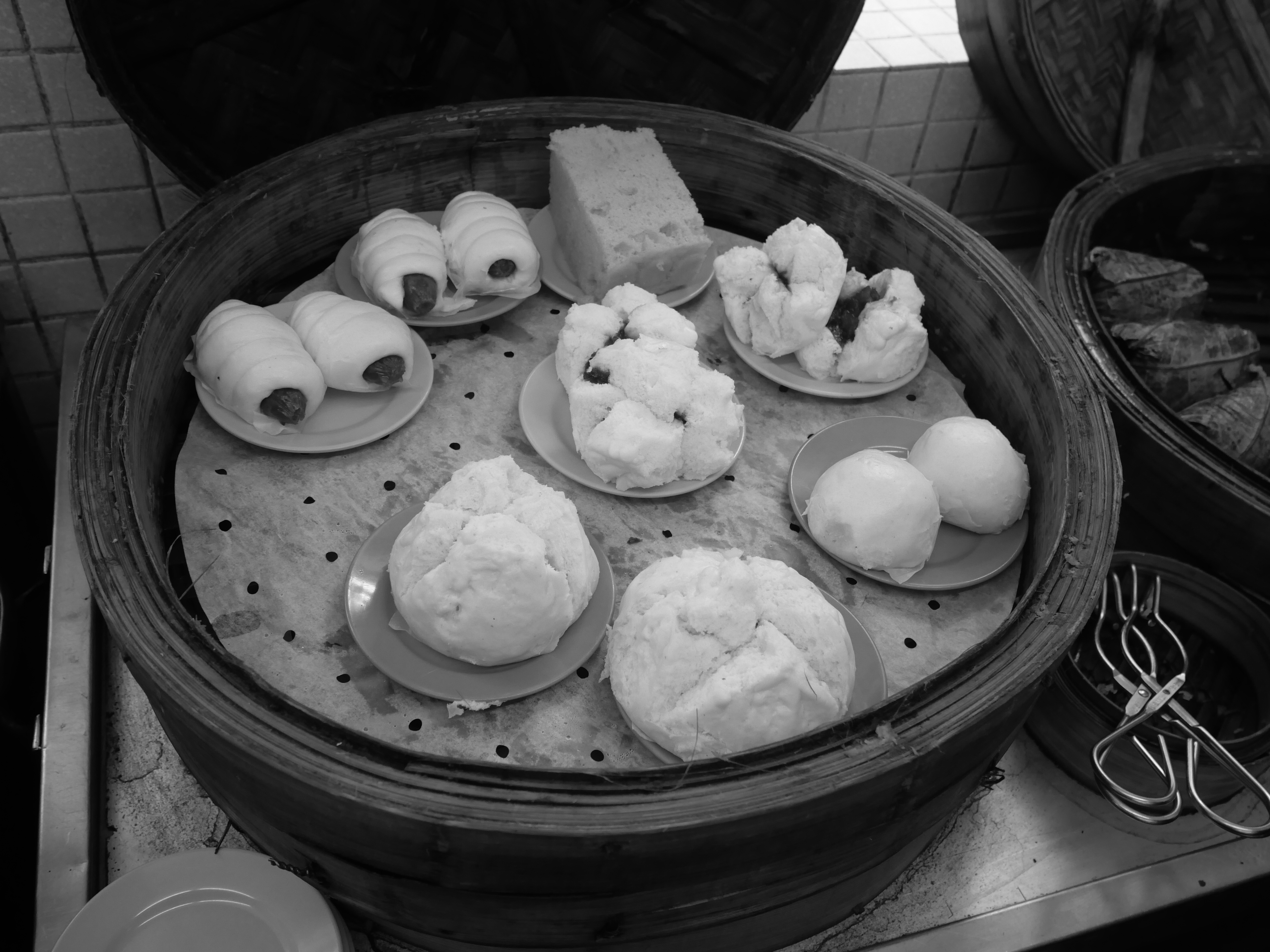
For a little context, Britannica’s overview of Chinese cuisine is a useful reminder that the style is broad rather than one-note, and Harvard’s tea feature explains why tea naturally belongs at the table. If you want a simple reference point for the shared-plate rhythm of a first visit, dim sum is a good starting concept even if you are ordering a regular dinner.
What follows is the practical version: a short list of dishes and dish types that usually work well for a first visit, plus a few ways to build a table that feels comfortable instead of crowded.
- Start with one crisp appetizer and one softer starter.
- Choose at least one mild main so the table has a calm baseline.
- Add one vegetable or lighter dish to keep the meal from feeling heavy.
- Leave room for rice, noodles, or another starch that helps everything come together.

Best Appetizers to Start With
If the menu includes classic starters such as dumplings, spring rolls, scallion pancakes, or soup, those are usually the safest opening move. They are easy to share, they set the tone for the meal, and they let the table settle in before the larger dishes arrive. I usually recommend starting with one hot, one crisp, and one soft item if the group is hungry enough to want variety.
Here is a simple way to think about the first round:
| Starter type | Why it works on a first visit | What it tells you about the kitchen |
|---|---|---|
| Steamed dumplings or potstickers | They are easy to share and usually make a good first bite without overwhelming the table. | You get a sense of wrapper texture, seasoning, and how carefully the filling is balanced. |
| Spring rolls or egg rolls | The crunch gives the table contrast, especially if the mains will be sauced or soft. | They show fry timing and whether the filling still tastes bright rather than heavy. |
| Scallion pancakes | They are familiar, savory, and easy to pass around between bites of the rest of the meal. | You can taste whether the kitchen keeps a crisp edge while building layers of flavor. |
| Soup or wontons in broth | Helpful if you want something warming, lighter, or more relaxed before the main dishes arrive. | Broth and seasoning usually say a lot about the kitchen’s attention to balance. |
If you are ordering for two, two appetizers is usually enough. For three or four people, three starters can still feel comfortable if the rest of the meal is substantial. The goal is not to arrive at the mains already tired; it is to make the first few bites feel welcoming.

Reliable Entrees for First-Time Guests
For the main course, I would lean toward dishes that show the kitchen’s basics clearly rather than the loudest flavor on the menu. That usually means one chicken dish, one beef or seafood dish, and one vegetable dish if the table is sharing. If you see familiar options such as chicken with broccoli, beef with vegetables, shrimp with snow peas, or tofu with vegetables, those are often good first-visit choices because they are readable without being boring.
Think of the main course as the center of gravity for the meal. You want enough flavor to feel satisfying, but not so much intensity that every dish competes with the next one. A first order often works best when at least one plate is mild enough to act as a reset between bites.
| What you want | Good first-visit order shape | Why it is a safe choice |
|---|---|---|
| Mild comfort | Chicken with broccoli, chicken with vegetables, or a similar stir-fry | It gives the table a baseline that most people can eat comfortably. |
| Richer savory flavor | Beef with broccoli or beef with mixed vegetables | The sauce and vegetables usually balance each other without feeling too heavy. |
| Lighter plate | Shrimp with vegetables or a tofu-and-vegetable stir-fry | It adds variety without making the meal feel fried or overly rich. |
| Shared starch | Fried rice or lo mein | These are reliable anchor dishes when the rest of the table is built around smaller plates. |
| A little heat | A spicy chicken, tofu, or beef dish if everyone at the table wants more spice | It adds energy, but it should be one note in the meal rather than the whole story. |
If the table has mixed preferences, I would rather order one dish with a little spice than two dishes that push the same flavor too hard. That way, people who want more heat can add it, while everyone else still has a calm plate to return to.
Family-Style Dishes That Work Well for Sharing
Family-style ordering is where a first visit starts to feel easy. Chinese restaurant meals often work best when the table shares a combination of textures and temperatures instead of everyone eating from separate plates. A good shared order usually includes one crisp starter, one sauced protein, one vegetable, and one rice or noodle dish to hold everything together.
That means you are not just ordering food; you are building a table rhythm. One dish brings crunch, one brings sauce, one brings freshness, and one gives the meal a little structure. If that sounds more organized than a casual dinner, it is only because a little structure keeps everyone happier while the food is still arriving.
| Table role | What to look for | How it helps the meal |
|---|---|---|
| Crisp starter | Spring rolls, dumplings, or another fried appetizer | It wakes up the table and gives people something to pass around right away. |
| Sauced main | Chicken, beef, shrimp, or tofu in a savory sauce | It provides the comforting center of the meal. |
| Vegetable dish | Broccoli, bok choy, snow peas, green beans, or mixed vegetables | It keeps the table from leaning too far toward fried or heavy food. |
| Starch | White rice, fried rice, or lo mein | It helps the whole table feel complete and makes sauces easier to enjoy. |
For a group of four, a very workable order often looks like this: two starters, two mains, one vegetable, and one starch. For a larger table, add one more shared dish before you add more of the same. Variety usually helps more than quantity.
If you are dining with people who like different levels of spice, keep the spicy dish on the side of the order instead of making it the centerpiece. That way the meal still feels inclusive. No one needs to spend dinner negotiating with a plate that has too much personality.
A Simple First-Visit Order Template
When the menu feels wide open, a small template can save a lot of guesswork. I like to decide by table size first, because the right combination for two people is not the same as the right combination for a family dinner or a bigger group. The table below is a practical starting point, not a rulebook.
| Table size | Easy order shape | What this usually feels like at the table |
|---|---|---|
| 2 people | 1 starter, 1 main, 1 shared starch, and 1 additional dish if you are especially hungry | Comfortable and simple, with enough variety to feel like a proper meal. |
| 3 to 4 people | 2 starters, 2 mains, 1 vegetable, and 1 starch | The sweet spot for balance; enough choice without too much leftover food. |
| 5 or more people | 3 starters, 3 mains, 1 vegetable, and 2 starches or a second vegetable dish | Better for a shared table where people want to sample more than one style of dish. |
This is also the point where I usually tell people not to order every dish in the same category just because they sound good. Three fried starters can make a table feel heavy before the mains even appear. Two rice dishes with no vegetables can make the meal feel flat. A good first order leaves space for appetite and conversation.
How to Balance a Table Order for Different Tastes
The easiest way to avoid an awkward first order is to balance flavor, texture, and temperature. A table can handle a lot when those three things are in motion. What it cannot usually handle is five plates that all taste fried, salty, and heavy in the same way. If you want a simple outside check on balance, the USDA’s MyPlate guide is a useful way to think about variety without overcomplicating dinner.
When I help someone think through a first-visit order, I usually suggest this simple checklist:
- Pick one dish people already trust.
- Pick one dish that gives the table contrast.
- Pick one dish with vegetables or a lighter profile.
- Pick one starch that makes the rest easier to share.
- Only then decide whether you still want one more rich dish.
Another useful way to think about it is by pairing. If you order dumplings or spring rolls, follow them with something softer and more substantial. If you order a saucy beef or chicken dish, balance it with vegetables and a mild starch. If you choose a noodle dish, make sure another plate brings freshness so the meal does not blur into one long texture.
That balance matters even more if you are bringing a group with mixed appetites. A first visit should leave people saying, “We chose well,” not “We should have ordered one less fried thing and one more green thing.” That is the kind of lesson you only need once.
What to Skip on a First Visit
This is the part people often need but rarely ask for. On a first visit, it is usually wise to skip the temptation to order only the richest or loudest dishes on the menu. They can be wonderful, but they are not always the best way to learn how a restaurant cooks. A first meal should give you a clear sense of range.
- Too many fried starters: They can crowd out the more interesting parts of the meal.
- Several dishes with the same sauce profile: If everything tastes similarly sweet or salty, the table gets repetitive.
- Only heavy starches: Rice and noodles are important, but they work best when something fresh is on the table too.
- Every dish turned up to the hottest spice level: Spice should add shape to the meal, not overwhelm it.
If you are eating with children, older relatives, or guests who are new to Chinese restaurant food, that advice becomes even more useful. One plain or mild dish can make the whole meal easier. A table that feels safe is usually a table that enjoys itself longer.
Simple Closing Tips for Reservations or Takeout
If your plan is to go during a busy dinner window, call ahead or use the contact page before you leave home. A little planning is usually worth it, especially if you are coming with a group or want to time the meal around a specific evening. If you would rather keep things simple, the menu is the best place to start narrowing choices before you order.
For takeout, the same advice holds: keep the first order balanced, not oversized. Choose one starter, one or two mains, one vegetable, and one starch, then adjust based on how many people will actually eat. If you are still deciding, the home page is the easiest place to reorient yourself before you reach out or place an order.
The short version: start with a few reliable appetizers, choose mains that cover different tastes, and let the table breathe a little. A first visit does not have to be complicated to be memorable. It just has to be balanced, calm, and generous enough for everyone to feel included.
- Best first move: one crisp starter, one soft starter, and one mild main.
- Best table balance: add a vegetable dish and a starch.
- Best pacing tip: order for sharing, not for proving how much you can finish.
- Best next step: use Contact for reservations or takeout questions.