Introduction to Beer Pairing Basics
Beer and Chinese food can be a surprisingly elegant duo. Think of it like matchmaking, but with less awkward small talk and more noodles. The basic rule is simple: let the beer either refresh the palate, match the dish’s weight, or tame the heat.
Light, crisp beers usually play well with fried starters and delicate dumplings. Fuller-bodied beers can stand up to saucy, savory dishes. If chili is part of the plan, a beer with moderate sweetness or a clean finish can calm the fire instead of joining it.
For a quick primer on flavor balance, the CraftBeer.com food pairing guide offers a straightforward framework, and the Beer Advocate style directory is useful when you want to compare lagers, wheat beers, pale ales, and more without turning the table into a tasting exam.
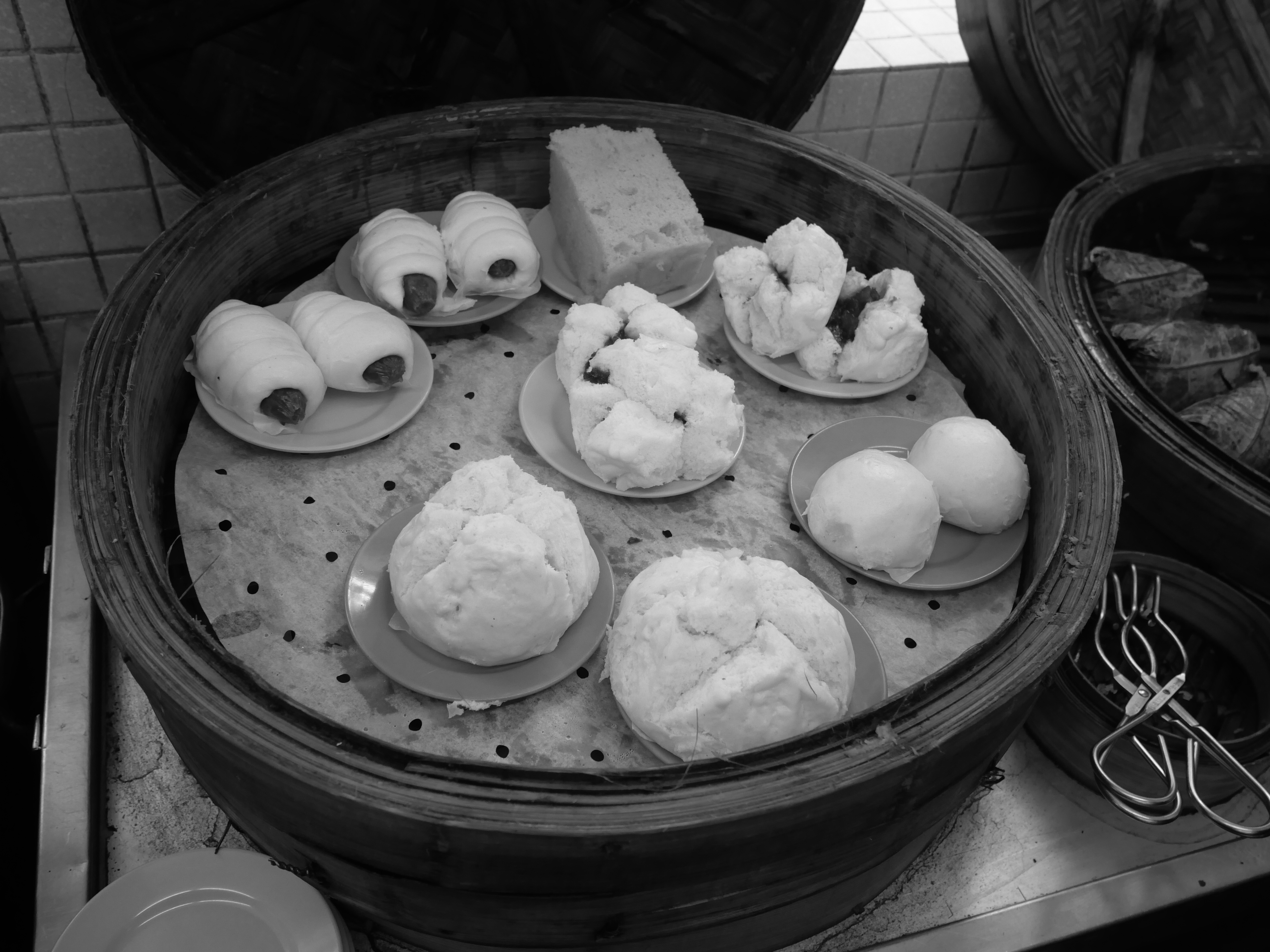
Pairing Guidelines for Popular Dishes
Start with the dish’s dominant traits: salty, spicy, sweet, rich, or crunchy. Then choose a beer that either mirrors that energy or gives it a clean counterpoint. Here’s the cheat sheet.
| Dish style | Why it works | Beer styles to try |
|---|---|---|
| Dim sum and steamed dumplings | Delicate flavors benefit from a crisp, refreshing beer | Pilsner, kölsch, light lager |
| General Tso’s chicken, orange chicken, sweet-savory sauces | Sweet glaze and fried texture need a beer with enough snap | Amber lager, pale ale, session IPA |
| Kung Pao chicken or spicy stir-fries | Heat needs refreshment, not more drama | Wheat beer, lager, dry-hopped pale ale |
| Beef with broccoli or garlic-forward dishes | Deep savory flavors pair well with malt and gentle hop character | Vienna lager, brown ale, amber ale |
| Ma Po tofu or boldly spiced dishes | Silky texture and chili heat do best with a clean, cooling finish | Rice lager, helles, saison |
If you want more context on common Chinese dishes and regional flavor patterns, the Chinese cuisine overview on Wikipedia is a handy reference point for the broad regional picture. For hop character and bitterness levels, the Sierra Nevada beer styles guide gives plain-English descriptions that make pairing decisions feel less like wizardry.
Regional Beer Recommendations
Different beer traditions bring different strengths to the table. You do not need a master’s degree in malt; you just need a few dependable pairings.
- Japanese-style lager: ultra-clean, great for fried appetizers, scallion pancakes, and seafood dishes.
- German pilsner or helles: crisp and structured, ideal when you want to keep the meal bright and not too heavy.
- Belgian wheat beer: soft, citrusy, and excellent with ginger, sesame, and mild spice.
- American pale ale: a flexible middle ground for saucy classics and grilled or roasted flavors.
- Amber lager: a good bridge for richer meat dishes, roast duck, and savory noodles.
For hosts shopping by style, a short beer flight is often better than one giant “we’ll figure it out later” purchase. One pale, one lager, one wheat beer, and one amber-style option can cover most of the menu without turning the fridge into a diplomatic summit.

Tips for Hosting a Beer and Chinese Food Night
Hosting is easier when you stop trying to pair every dish perfectly. Aim for balance, not perfection. A few simple rules keep the night fun:
- Offer variety. Include at least one crisp beer, one maltier beer, and one beer with citrus or spice notes.
- Match the strongest dish. If the table leans spicy or rich, build the beer lineup around that center of gravity.
- Keep drinks cold. Warm beer is the culinary equivalent of a shrug.
- Use small pours. Sample first, then commit. That way nobody is stuck with a full glass that fights the food.
- Balance the table. Add a few steamed or lightly seasoned dishes so the palate gets a reset between bolder bites.
For another angle on building a balanced meal, you can also browse our blog for more dining guides, or return to the home page to explore the restaurant itself.
If you are building a home menu, think in layers: a crisp lager for dumplings, a wheat beer for ginger or chili, and a malt-forward beer for rich entrées. That trio can handle most Chinese takeout menus without overcomplicating the evening.
Conclusion
The best beer pairings with Chinese cuisine are the ones that make the meal feel brighter, cleaner, and more fun. Start with the dish’s texture and heat level, choose a beer that refreshes or complements, and you will land in a very good place—no sommelier cape required.
If you are hosting, keep the lineup simple and varied. If you are dining out, order one or two beers that can move across several dishes. The goal is not to impress the table with jargon; it is to make the food taste like itself, only louder in the best way.